Emergencies: For medical emergencies, please go to your nearest emergency unit. This website is not monitored for emergencies.

Patient Resources

Patient Information

Practical guidance to help you prepare for your consultation and surgery, and ensure a smooth recovery. Please note: this is general information. Always follow the specific, personalised instructions provided by Dr Vosloo and the clinical team.

Patient Information

Your First Appointment

Book Your Consultation

To schedule your initial consultation, please use our online booking system

Suite 108, First Floor

Mediclinic Midstream Hospital, Midstream Hill Medical Park

Cnr Midstream Hill Blvd & Godley Dr, Centurion

What to bring

Please bring a form of ID, your medical aid card, a referral letter (if applicable), a list of your current medication, and any relevant previous scans, reports or scope results.

Icon Referral Letter

Your referral letter from your GP or specialist

Icon Medical Aid

Your medical aid card and ID document

Icon Scans Reports

Any previous scans, X-rays, or medical reports

Icon Medications Allergy

A complete list of your current medications and any known allergies

Patient Information

What to Expect

Dr Vosloo aims to explain the diagnosis and available treatment options in practical language, including when surgery is not required. When an operation is recommended, patients are taken through the rationale, alternatives, expected recovery and relevant risks so that decisions can be made with a clear understanding of the plan.

Icon Consultation Time

Consultation Time

Please allow sufficient time for a thorough clinical evaluation and discussion.

Icon Surgery Booking

Surgery Booking

Surgery is rarely booked on the day of the first consultation. The consultation is used to confirm the diagnosis, discuss treatment options, and plan the next steps, which may include further investigations or medical aid authorisation.

Icon After Care Consultation

After the Consultation

Dr Vosloo will explain his findings in practical language. If surgery is recommended, he will discuss the rationale, alternatives, expected recovery, and relevant risks to ensure you fully understand the plan before making a decision.

PATIENT INFORMATION

Before Surgery

Conditions Treated

Follow the fasting instructions provided for your operation. The practice should be informed of all regular medication, especially blood thinners, diabetes medication and weight-loss/GLP-1 medication, as these may require specific peri-operative instructions.

Do not stop prescribed medication unless instructed. Ensure hospital and medical-aid authorisation requirements have been completed and follow the supplied admission time.

PATIENT INFORMATION

After Surgery

After Surgery Dr WA Vosloo

Before discharge, patients should receive procedure-specific instructions regarding pain medication, diet/activity, wound care and follow-up. Take medication only as prescribed and keep the planned follow-up appointment.

Recovery instructions differ by operation, so the discharge instructions for your specific procedure take priority over general website information.

Icon Wound Care

Wound Care

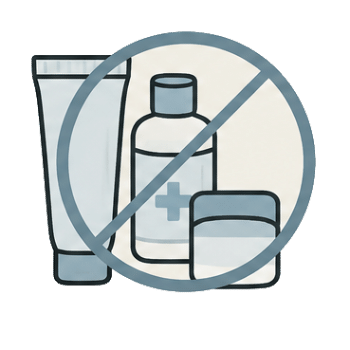
Keep wounds clean and follow the dressing instructions provided at discharge. Do not apply creams, antiseptics or other products unless advised. Showering, dressing removal and wound exposure vary according to the operation and dressing used; follow the procedure-specific instructions given by the practice.

Illustration Keep Wounds Clean(1)

Keep wounds clean and follow the dressing instructions provided at discharge.

Illustration No Creams Antiseptics

Do not apply creams, antiseptics or other products unless advised.

Illustration Wound Exposure

Showering, dressing removal and wound exposure vary according to the operation and dressing used; follow the procedure-specific instructions given by the practice.

Icon Warning

Warning Signs

Seek urgent medical advice for severe or worsening pain, persistent vomiting, inability to keep fluids down, increasing abdominal swelling, heavy bleeding, spreading redness or pus from a wound, high fever or rigors, shortness of breath, chest pain, collapse, or any rapidly worsening symptoms. In an emergency, go to the nearest emergency unit.

Icon Severe Pain

Severe or worsening pain

Icon Persistent Vomiting

Persistent vomiting

Icon No Fluids

Inability to keep fluids down

Icon Abdominal Swelling

Increasing abdominal swelling

Icon Heavy Bleeding

Heavy bleeding

Icon Redness Pus

Spreading redness or pus from a wound

Icon Fever

High fever or rigors

Icon Shortness Of Breath

Shortness of breath

Icon Chest Pain

Chest pain

Icon Worsening Symptoms

Any rapidly worsening symptoms

Patient Information Form

Please complete the form below ahead of your appointment. This helps the practice prepare for your consultation and process your medical aid details in advance.

Emergencies: For medical emergencies, please go to your nearest emergency unit. This website is not monitored for emergencies.